
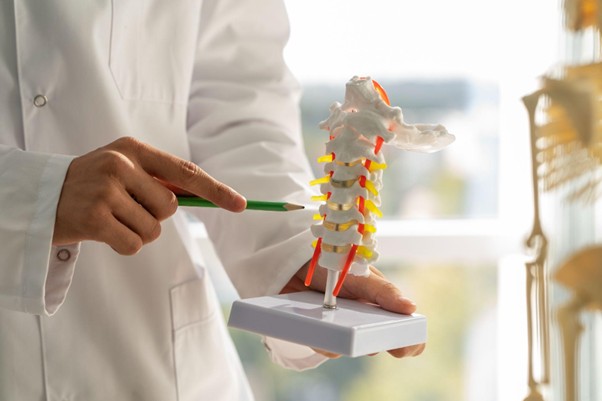
Spinal health is critical to mobility, posture, and overall quality of life. When severe back or neck conditions arise, surgical interventions like cervical and lumbar implants can restore stability, reduce pain, and improve functionality. These medical devices are designed to replace or support damaged vertebrae and discs, allowing patients to regain normal movement.
The rising demand for spinal solutions has encouraged innovation from every spine implants manufacturer in Mexico, leading to various implant types tailored for specific conditions. From degenerative disc disease to traumatic injuries, choosing the right implant option is essential to achieving optimal surgical outcomes.
In addition to the technical aspects, understanding complementary surgical tools like ortho implants used in bone fixation and support can provide a broader perspective on spinal surgeries. These components often work together in complex procedures to ensure alignment and long-term stability.
Anatomy of the Cervical and Lumbar Spine
The spine is divided into several regions, with the cervical spine comprising the seven vertebrae in the neck and the lumbar spine comprising the five larger vertebrae in the lower back. The cervical spine supports the head and allows a wide range of movement. In contrast, the lumbar spine bears much of the body’s weight and provides flexibility for bending and twisting.
Due to their different functions, the two regions face distinct challenges. The cervical spine is prone to disc herniations and nerve compression, while the lumbar spine often suffers from degenerative disc disease, spondylolisthesis, and injuries caused by heavy lifting or accidents. These differences make implant selection highly dependent on the specific region and condition being treated.
Cervical Spine Implants: Features and Benefits
Cervical implants are designed to address issues like herniated discs, spinal stenosis, and degenerative disc disease in the neck. Common types include artificial disc replacements, interbody cages, and anterior cervical plates.
Benefits of cervical implants include:
- Restoring disc height to reduce nerve compression.
- Maintaining natural neck movement when using artificial discs.
- Providing stability after removing a damaged disc or vertebra.
These implants are often smaller and lighter than lumbar options due to the lower load-bearing requirement in the neck region. Surgeons typically use minimally invasive techniques for cervical implant placement, resulting in shorter recovery times and reduced postoperative discomfort.
Lumbar Spine Implants: Features and Benefits
Lumbar implants are designed for lower back conditions, such as degenerative disc disease, scoliosis, or severe fractures. Popular options include pedicle screws, rods, interbody cages, and artificial lumbar discs.
Advantages of lumbar implants include:
- Offering robust support to withstand the body’s weight-bearing demands.
- Stabilizing spinal segments to allow for fusion and healing.
- Restoring natural spinal alignment, improving mobility, and reducing pain.
Because the lumbar spine bears significant weight and stress, these implants are typically more substantial and durable. Surgical procedures for lumbar implants may be more invasive, and recovery often takes longer compared to cervical surgeries.
Key Differences Between Cervical and Lumbar Implants
Understanding the distinctions between cervical and lumbar implants helps patients and surgeons make informed choices.
Load-bearing capacity: Lumbar implants are built for higher mechanical stress, whereas cervical implants are smaller and less weight-bearing.
Mobility preservation: Artificial cervical discs often prioritize maintaining motion, while lumbar implants tend to focus on stability and fusion.
Surgical complexity: Lumbar procedures may require longer surgeries and recovery periods, while cervical surgeries are generally less invasive.
Condition-specific use: Cervical implants are ideal for neck issues like disc herniations, while lumbar implants are for lower back problems such as degenerative disc disease or scoliosis.
Recognizing these differences ensures that the chosen implant aligns with the patient’s condition, activity level, and long-term health goals.
Factors to Consider When Choosing Implants
Selecting between cervical and lumbar implants involves several factors:
Patient’s Medical History: Chronic conditions like osteoporosis or arthritis can influence implant choice.
Surgeon Expertise: Specialists with experience in specific implant types often achieve better outcomes.
Implant Material: Options like titanium and PEEK (polyether ether ketone) each have unique advantages in terms of biocompatibility and durability.
Post-surgical Recovery Needs: The expected rehabilitation process should align with the patient’s lifestyle and work demands.
Collaborating closely with a qualified spine surgeon ensures a tailored approach, reducing complications and improving recovery.
Innovations in Implant Technology
The implant industry is witnessing significant advancements aimed at improving patient outcomes. Modern implants now feature bioactive coatings to enhance bone growth, motion-preserving designs to reduce stiffness, and minimally invasive delivery systems for reduced recovery times.
Robotics and navigation-assisted surgeries are also revolutionizing how implants are placed, increasing precision and minimizing tissue damage. Furthermore, research into patient-specific implants and 3D-printed devices promises a future where implants are tailored to individual anatomy, maximizing comfort and functionality.
These innovations are bridging the gap between technology and healthcare, ensuring that both cervical and lumbar implants continue to evolve for safer, more effective treatments.
Making the Right Choice for Your Spine Health
Choosing between cervical and lumbar implants requires a comprehensive understanding of your spinal condition, the unique demands of each region, and the benefits of modern surgical technology. Cervical implants preserve mobility and address neck-related conditions, while lumbar implants offer robust support for the body’s heaviest load-bearing region.
Patients should seek expert medical advice, review available implant options, and consider their long-term health goals before deciding. With ongoing innovation and the expertise of a reliable implant manufacturer, individuals can trust that the solutions available today are safer, more advanced, and more effective than ever. By understanding the differences between cervical and lumbar implants, patients can take informed steps toward regaining their spinal health and improving their quality of life.